
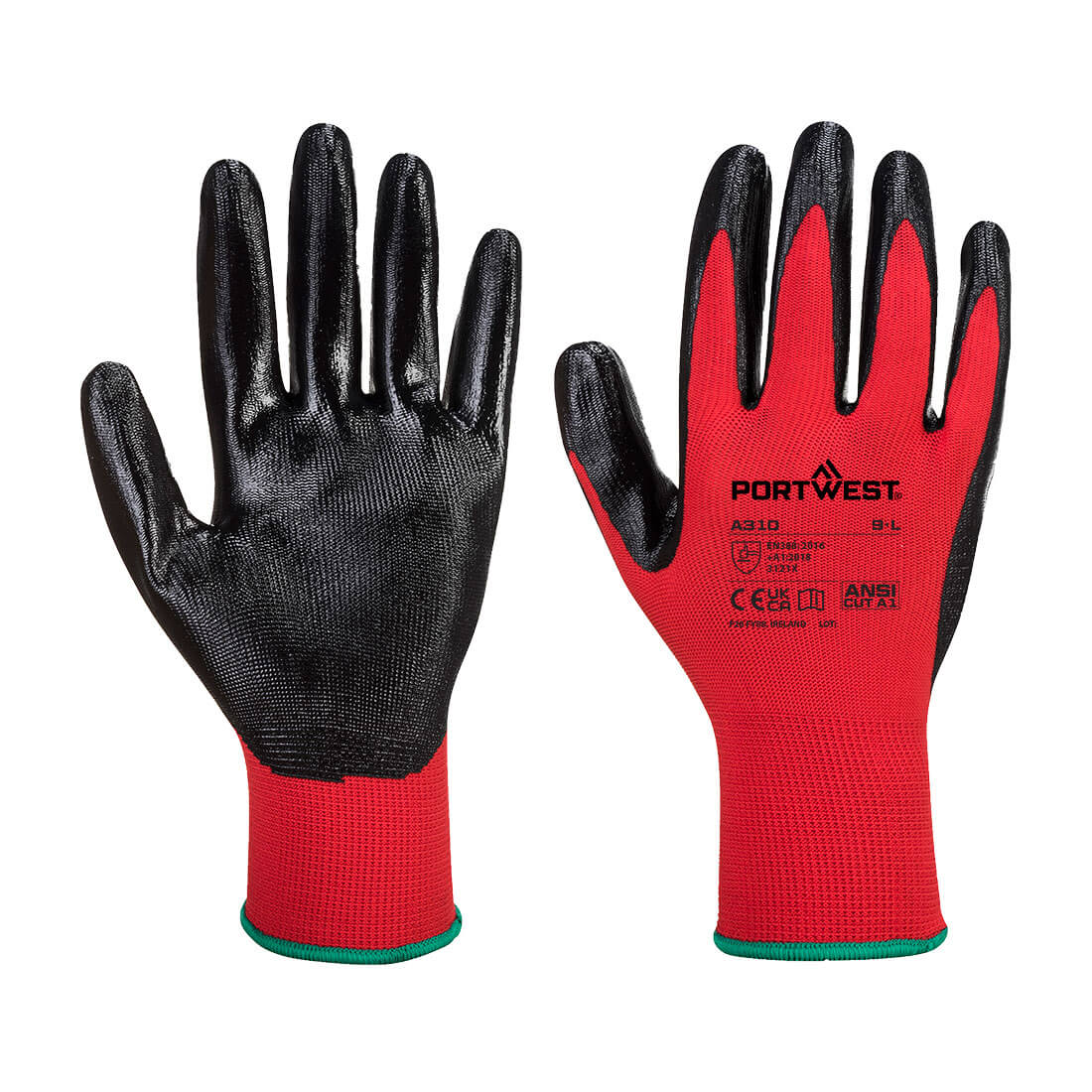
Sale price£0.70
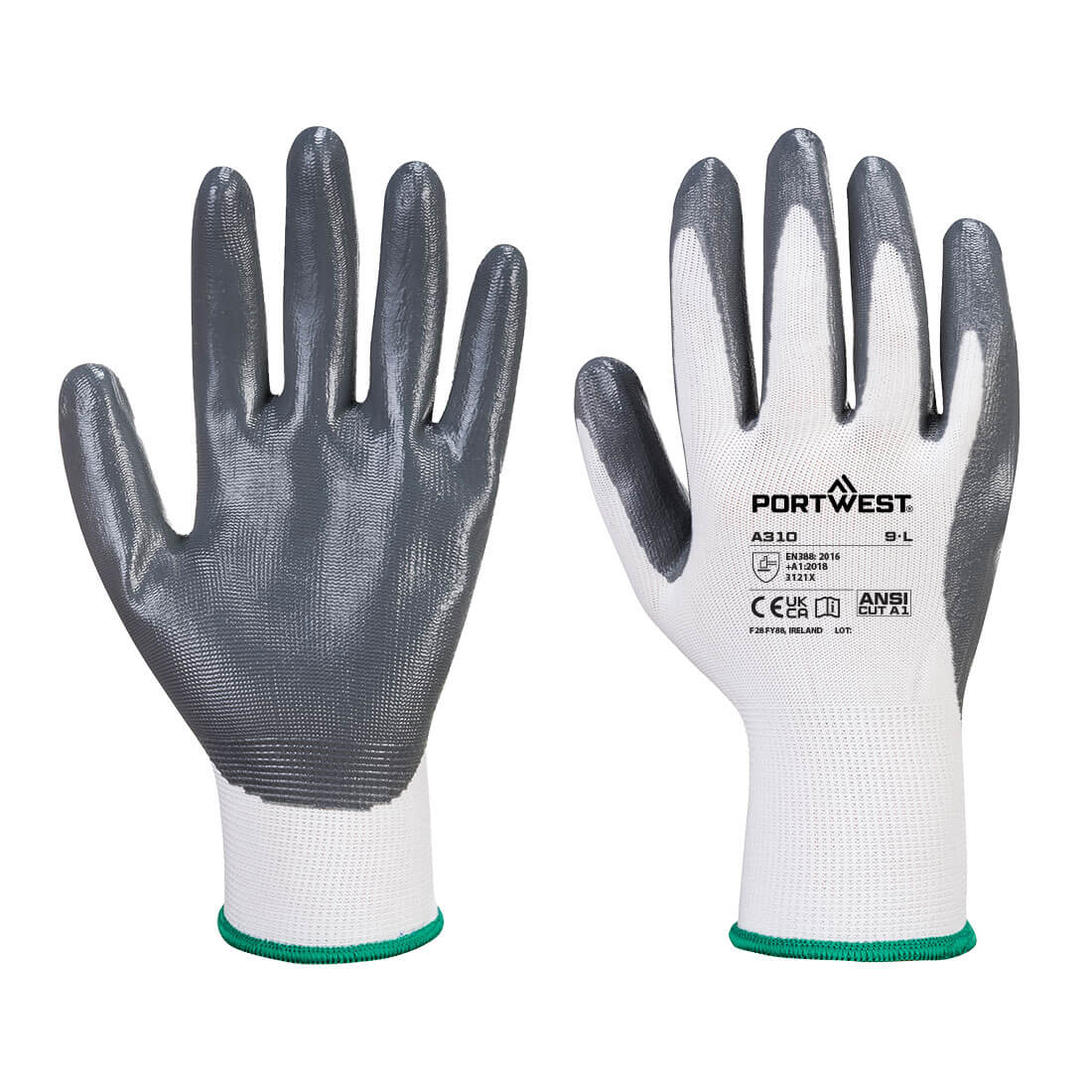
Grip 13 Nitrile GlovePortwest
Products available 3-5 working days from date of order
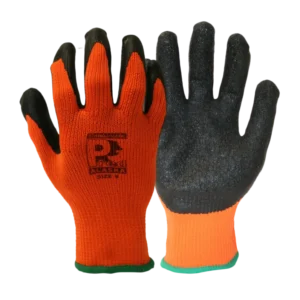
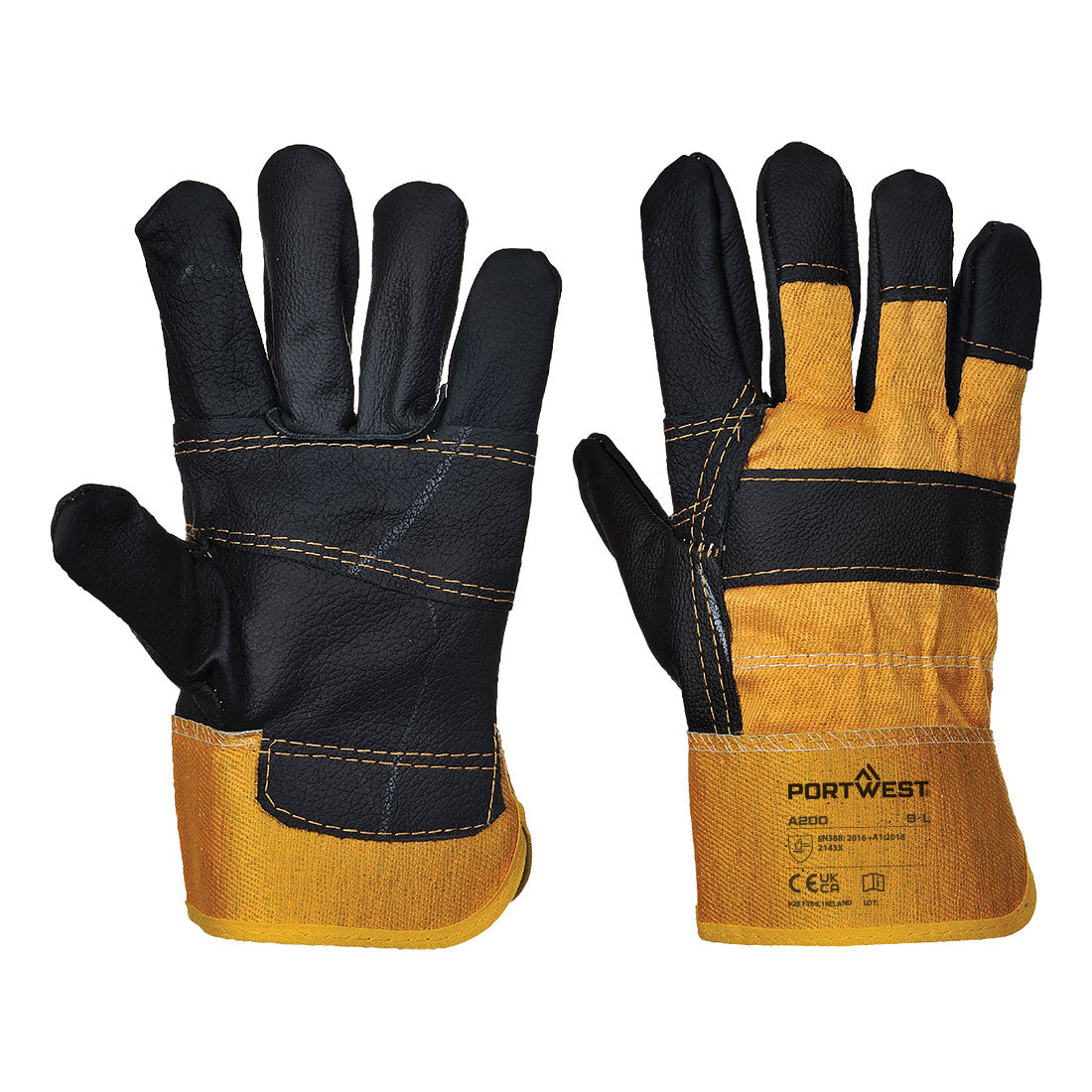
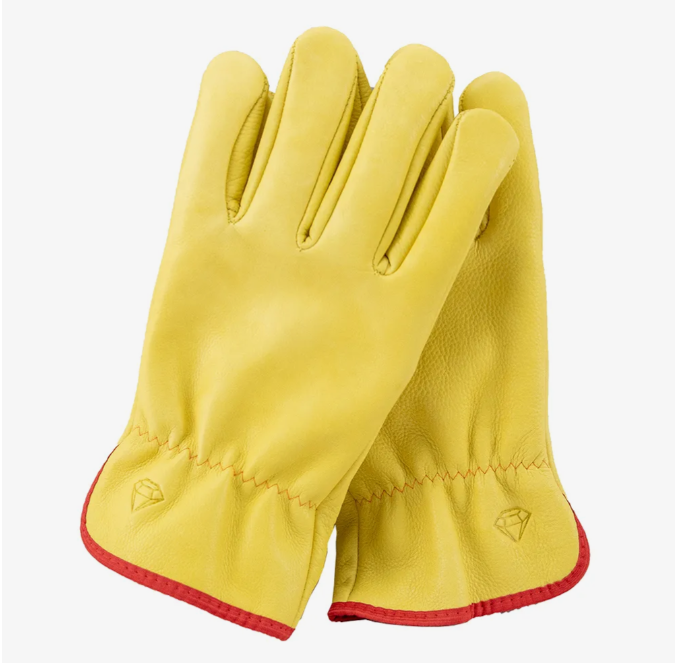
Sale price£6.28
Premium Lined Drivers Glove Size 8WorkStuff Store
Products available 3-5 working days from date of order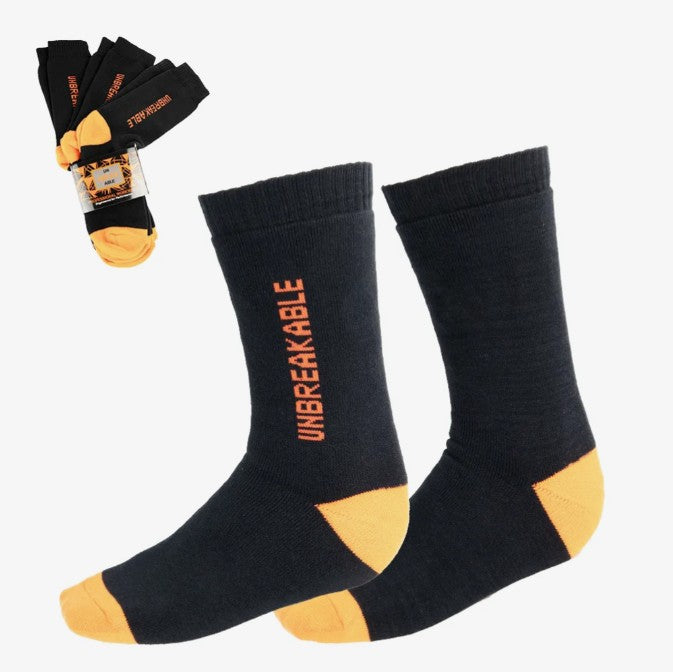
Sale price£6.28
SOX BLACK UNBREAKABLE SOCKS Pack of 3WorkStuff Store
Products available 3-5 working days from date of order
Sale price£7.34
Pred Signature Tig GauntletPredator
Products available 3-5 working days from date of order
Sale price£5.59
Pred Signature Hide Rigger - GoldPredator
Products available 3-5 working days from date of order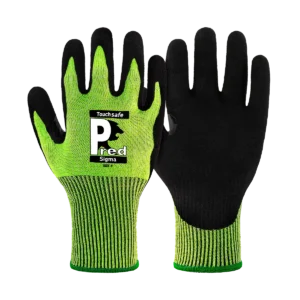
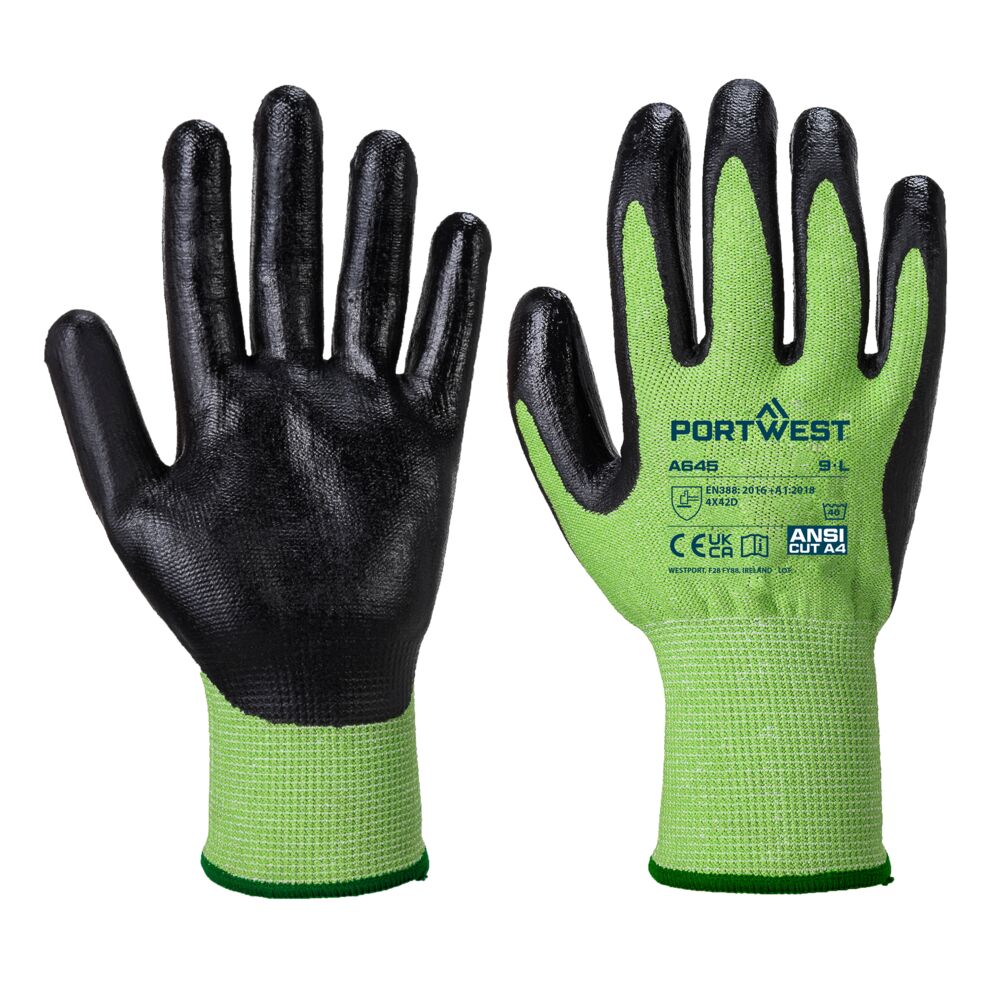
Sale price£5.10
Cut D13 Nitrile Green GlovePortwest
Products available 3-5 working days from date of order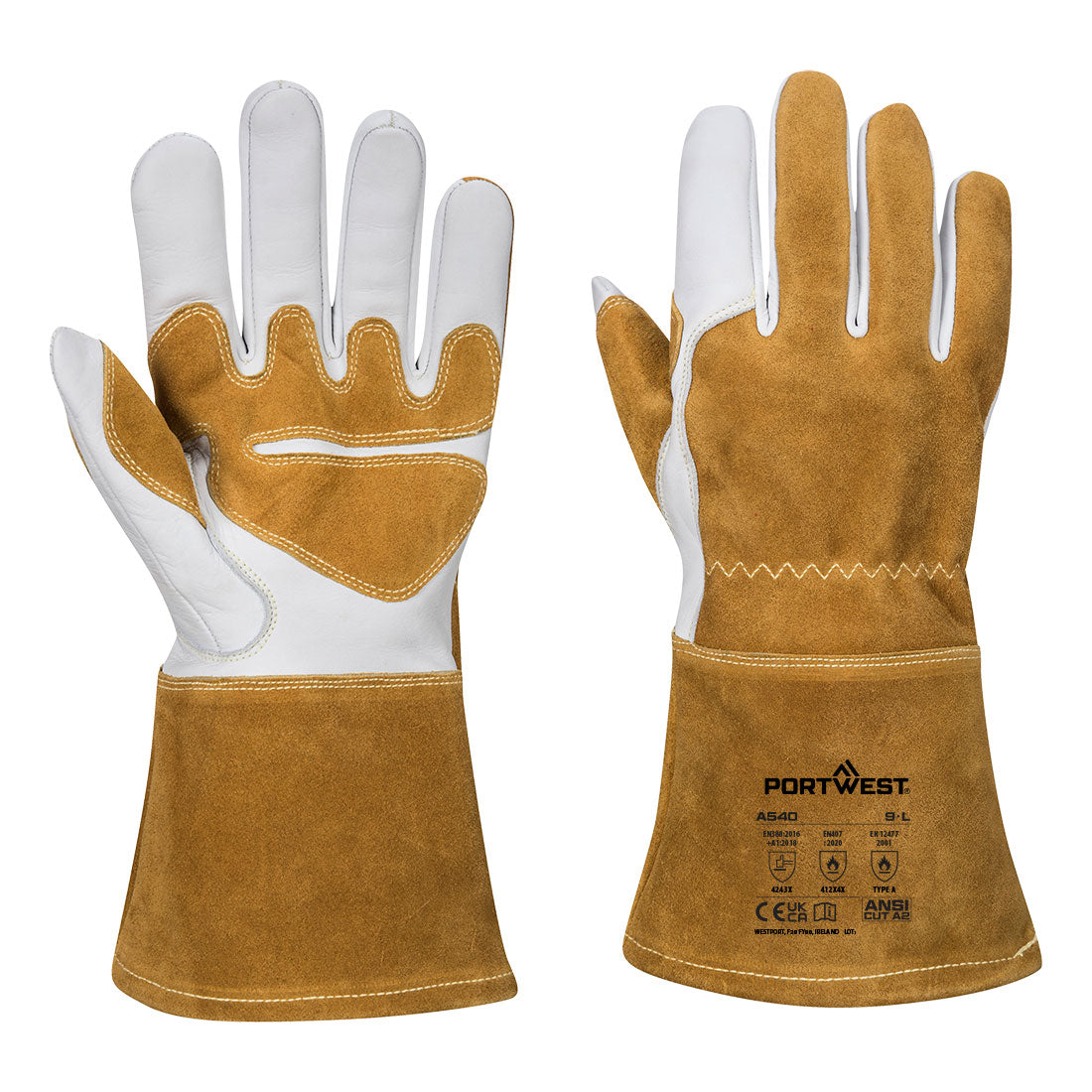
Sale price£14.35
MIG Welders 320 Grain Leather Reinforced GauntletPortwest
Products available 3-5 working days from date of order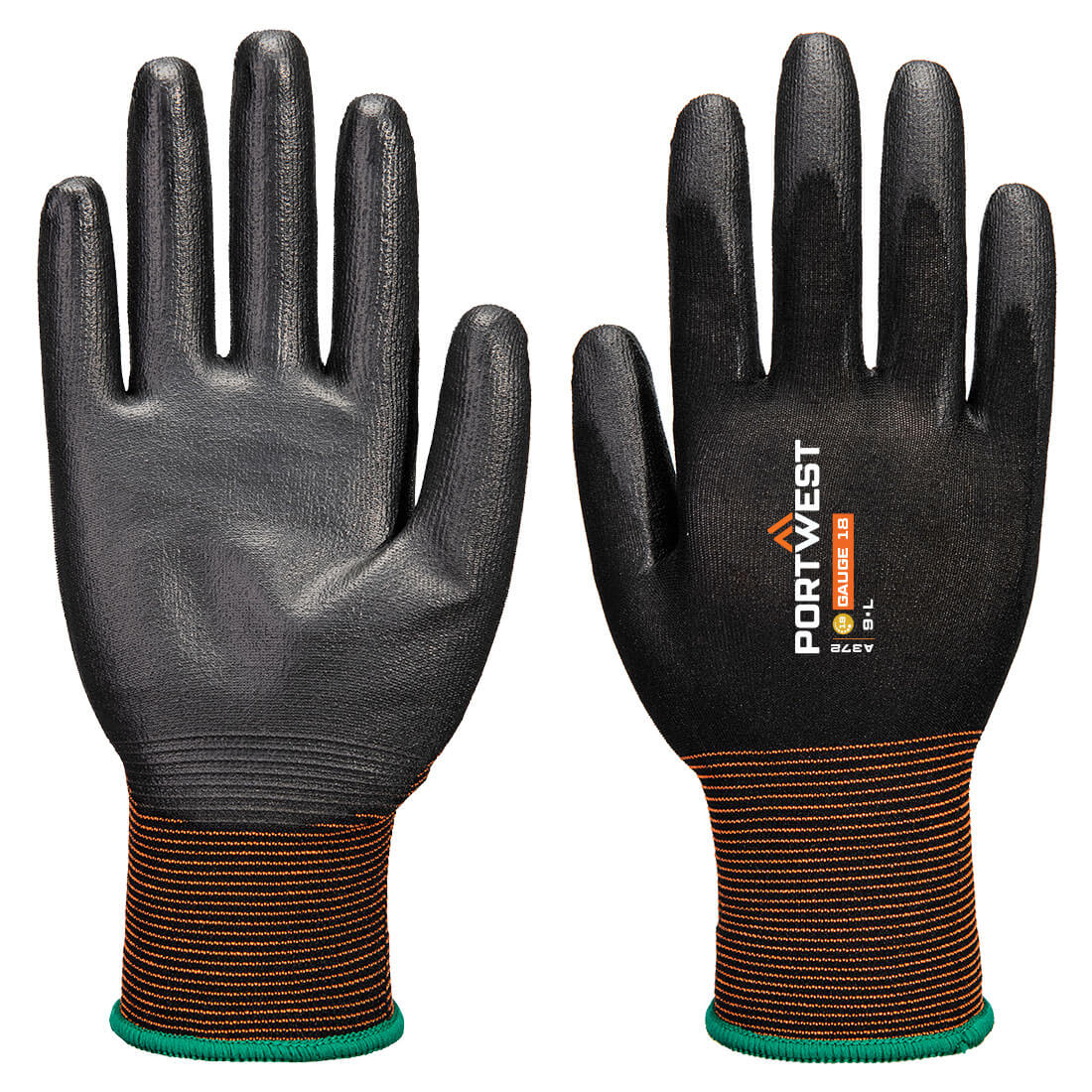
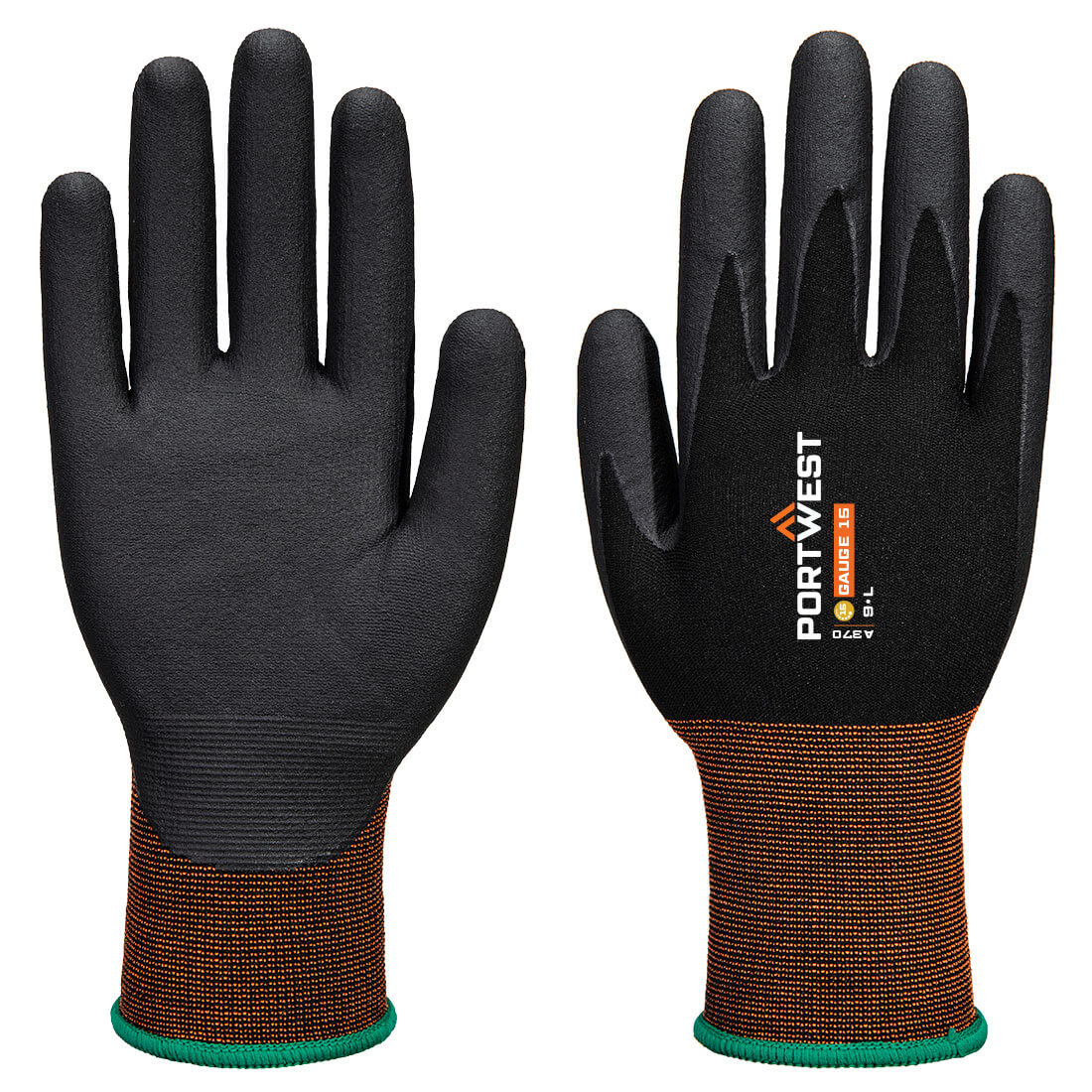
Sale price£3.51
GP Grip 15 Nitrile Micro Foam GlovePortwest
Products available 3-5 working days from date of order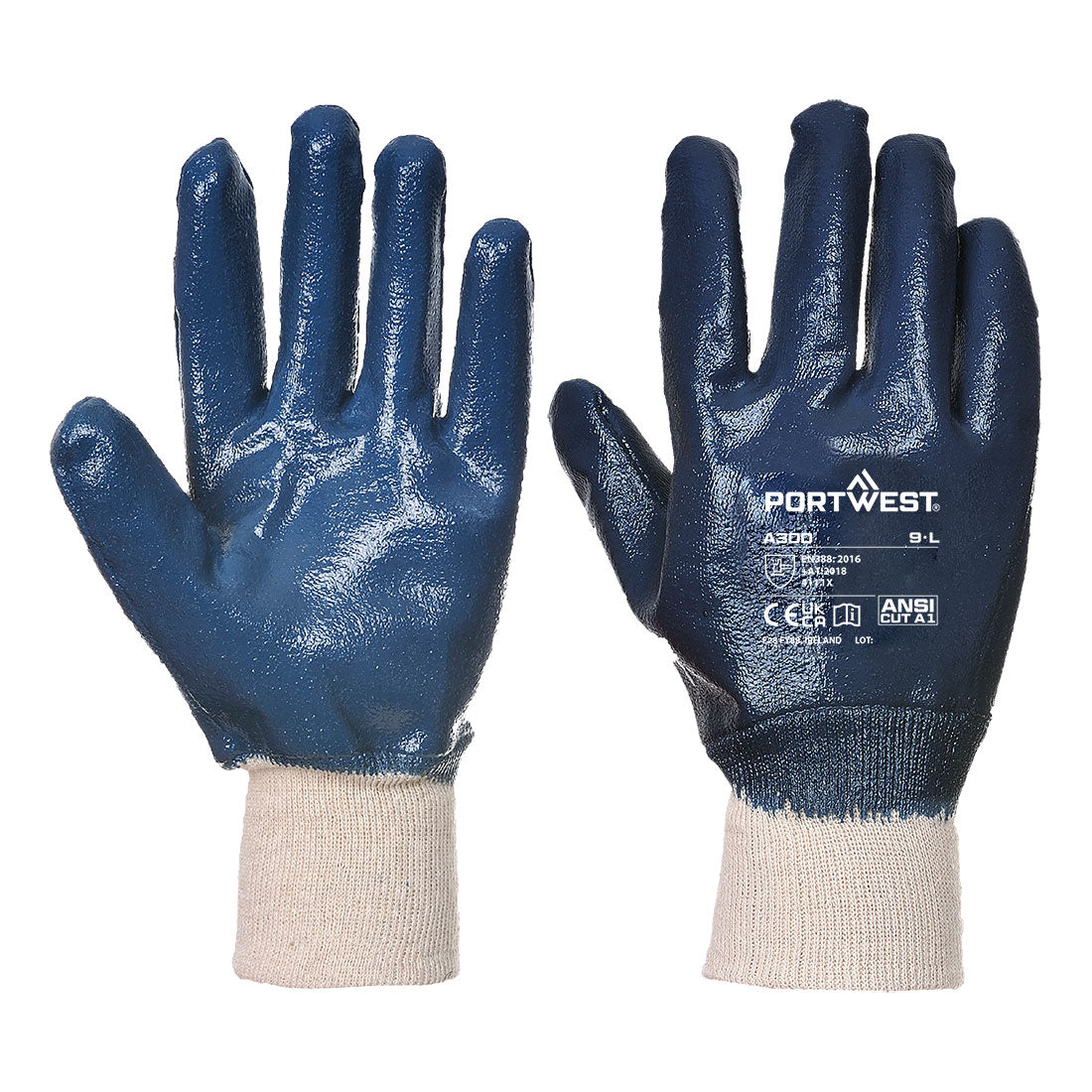
Sale price£2.13
Grip 12 Nitrile Full Dipped Knitwrist GlovePortwest
Products available 3-5 working days from date of order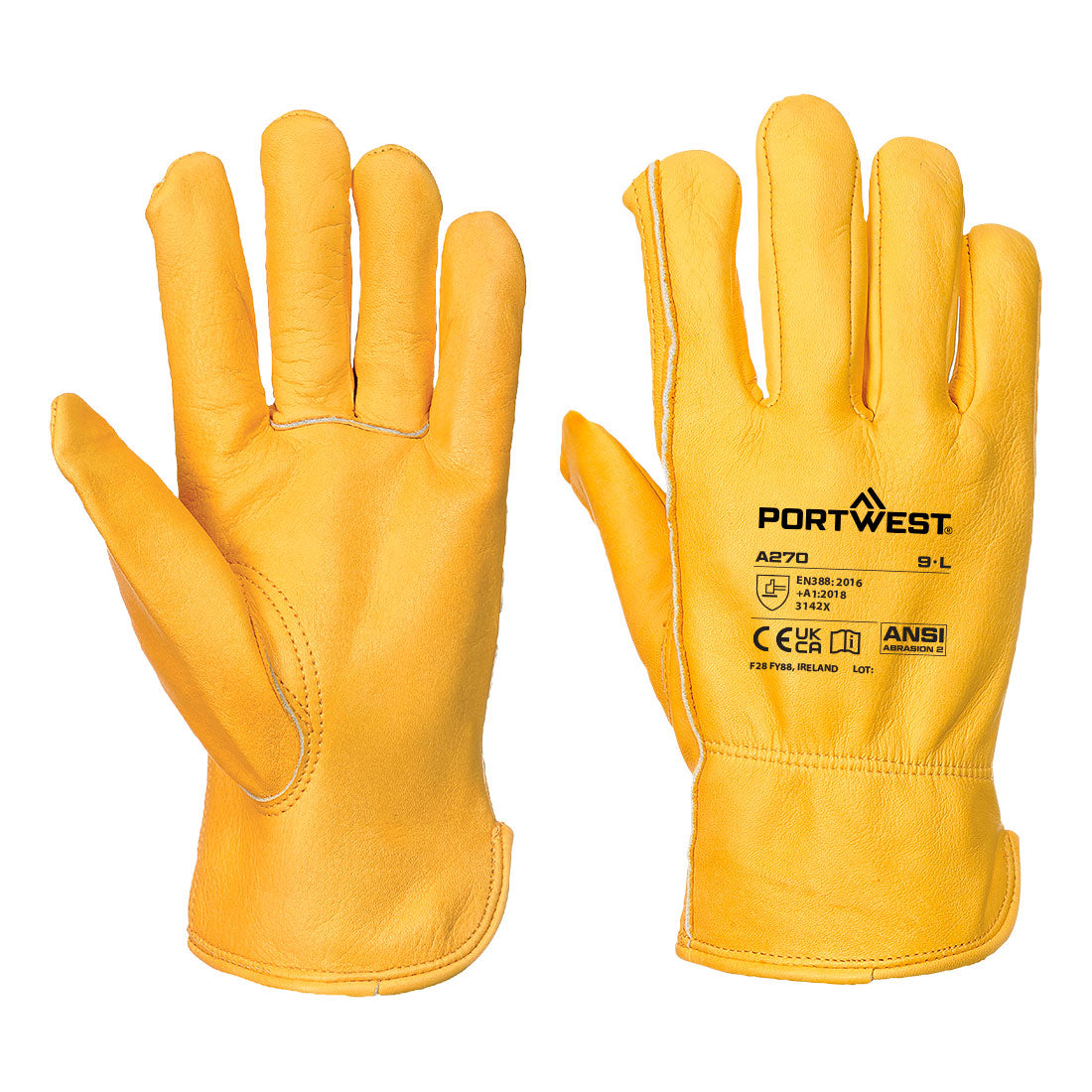
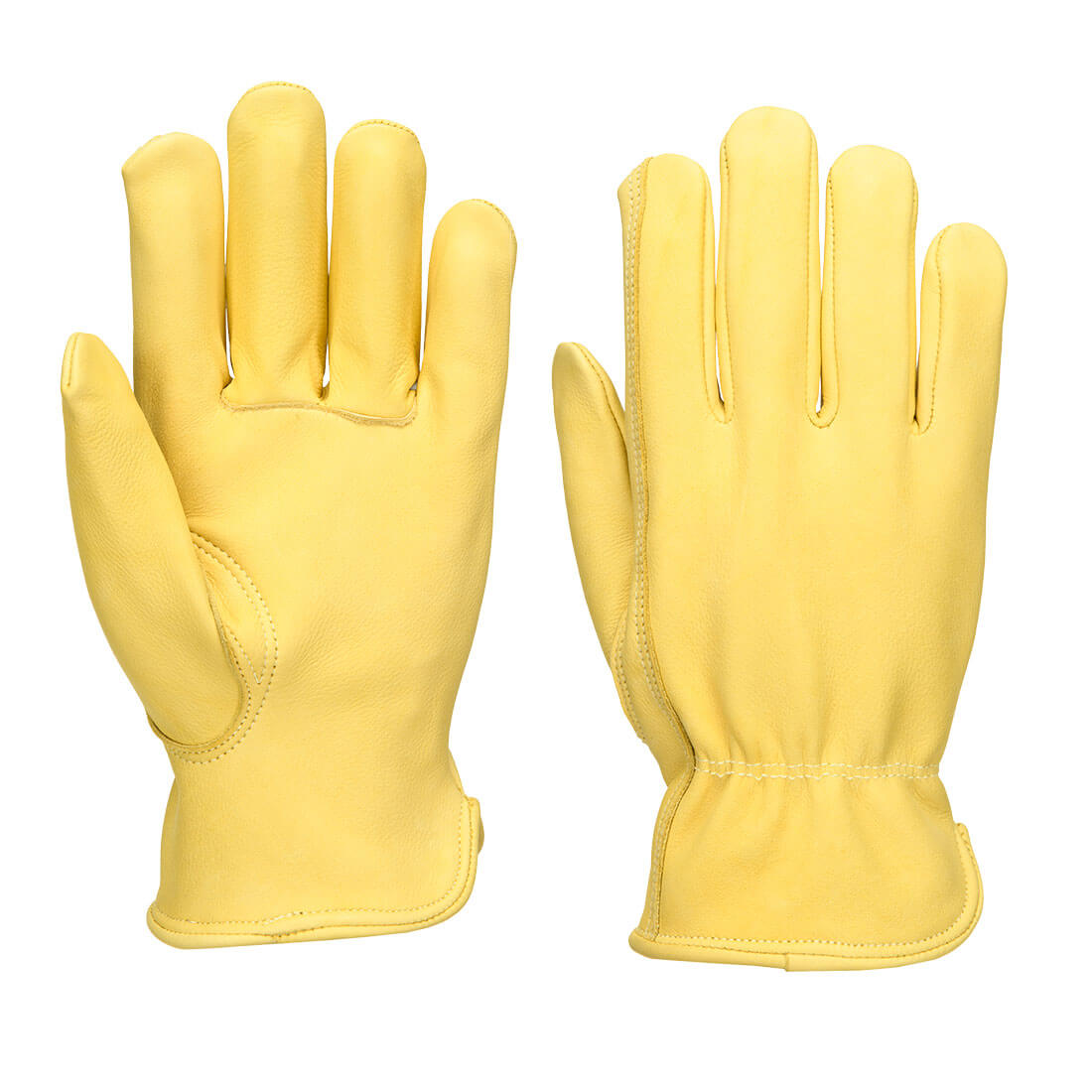
Sale price£6.06
Leather Driver 100 Cow Grain GlovePortwest
Products available 3-5 working days from date of order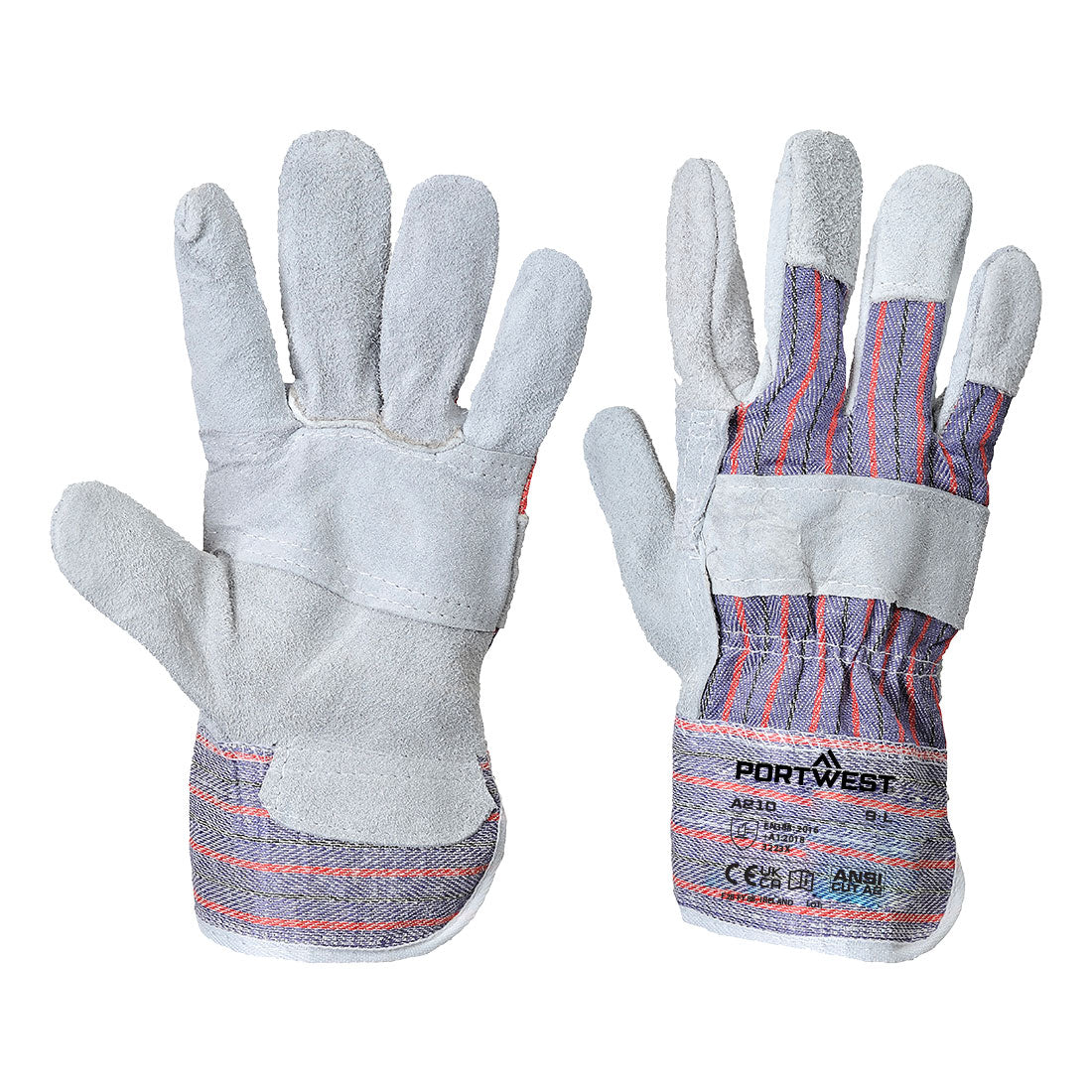
Sale price£2.10
Leather Rigger 260 Cow Split Palm Bar GlovePortwest
Products available 3-5 working days from date of order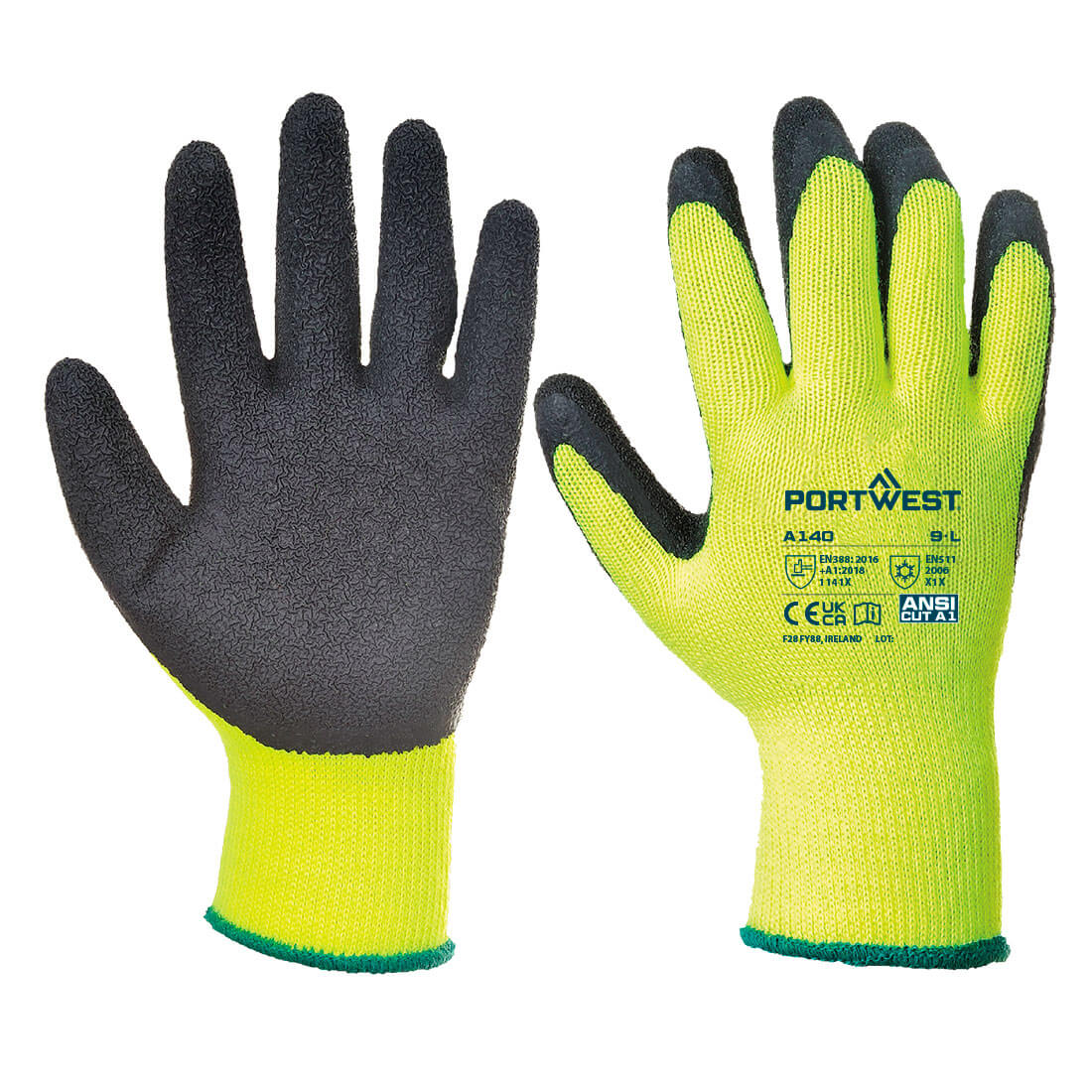
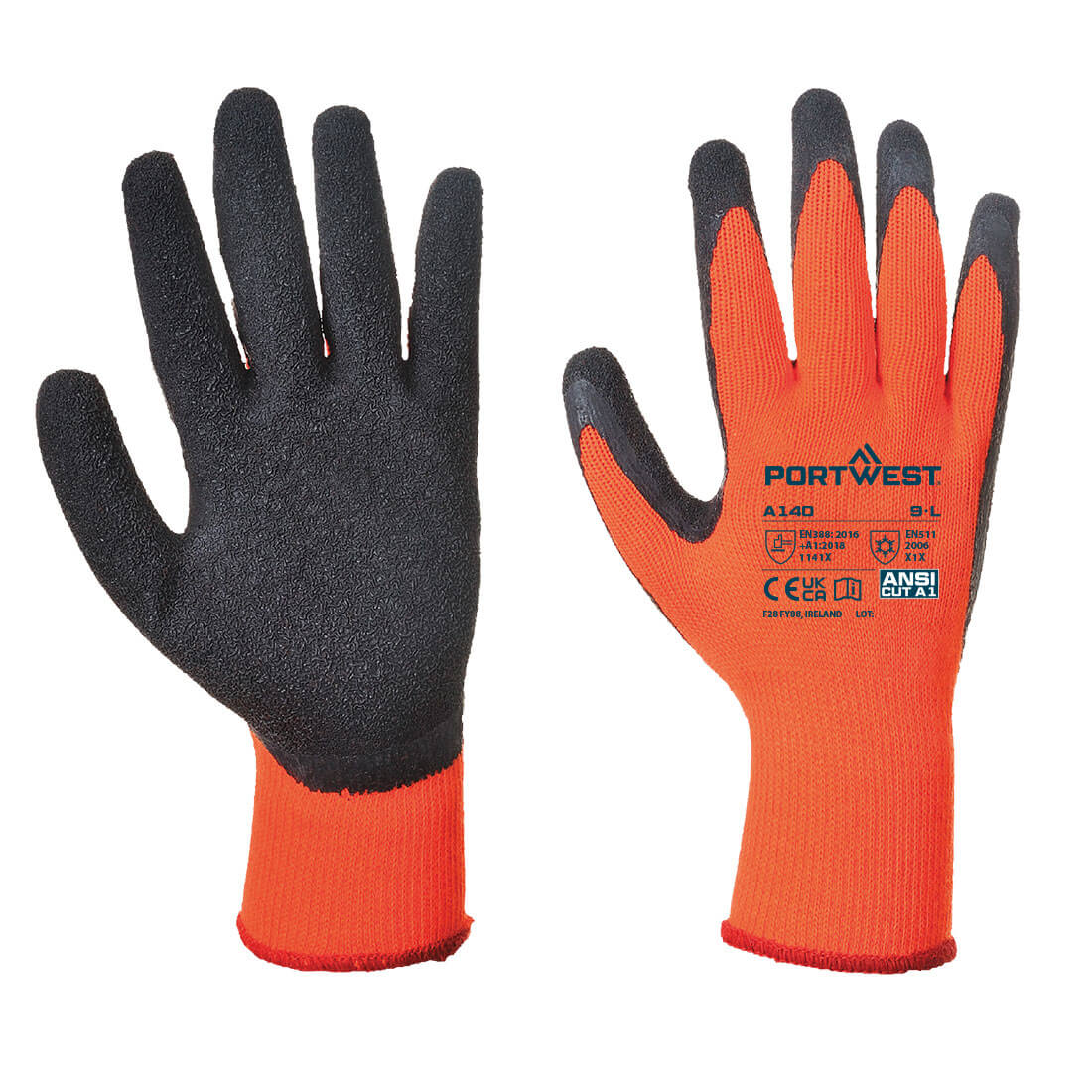
Sale price£2.34
Cold 10 Latex Crinkle GlovePortwest
Products available 3-5 working days from date of order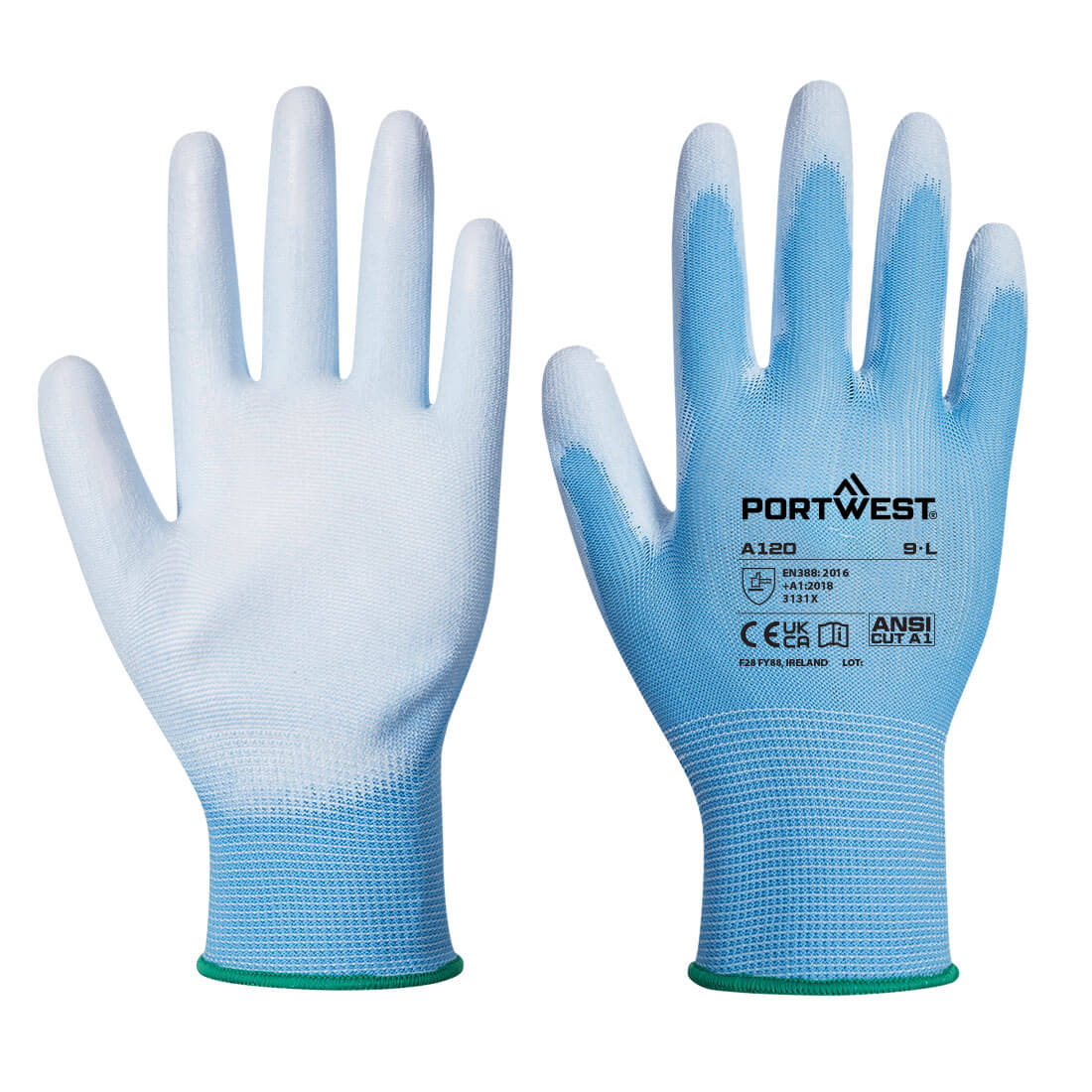
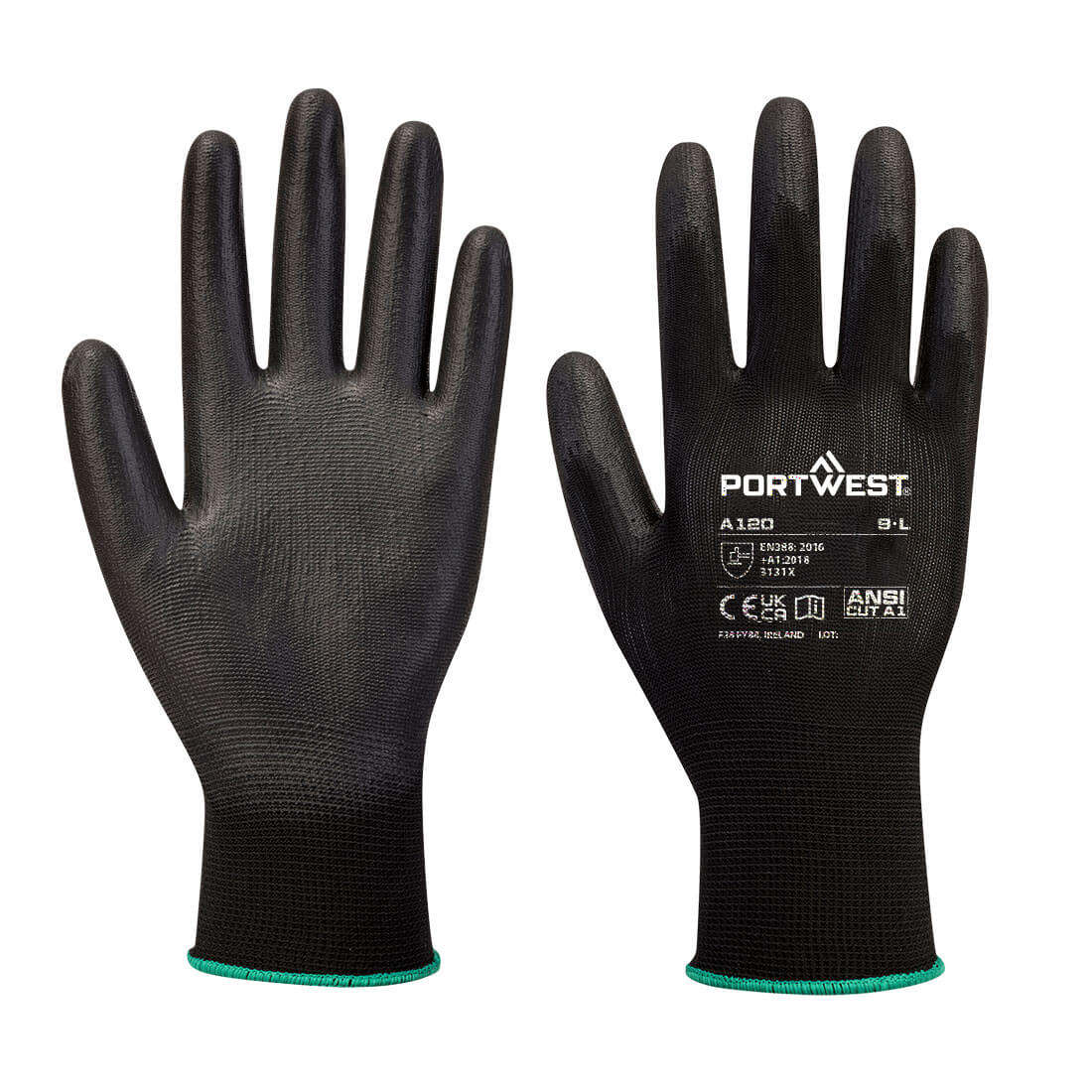
Sale price£0.73
Grip 13 PU Palm GlovePortwest
Products available 3-5 working days from date of order
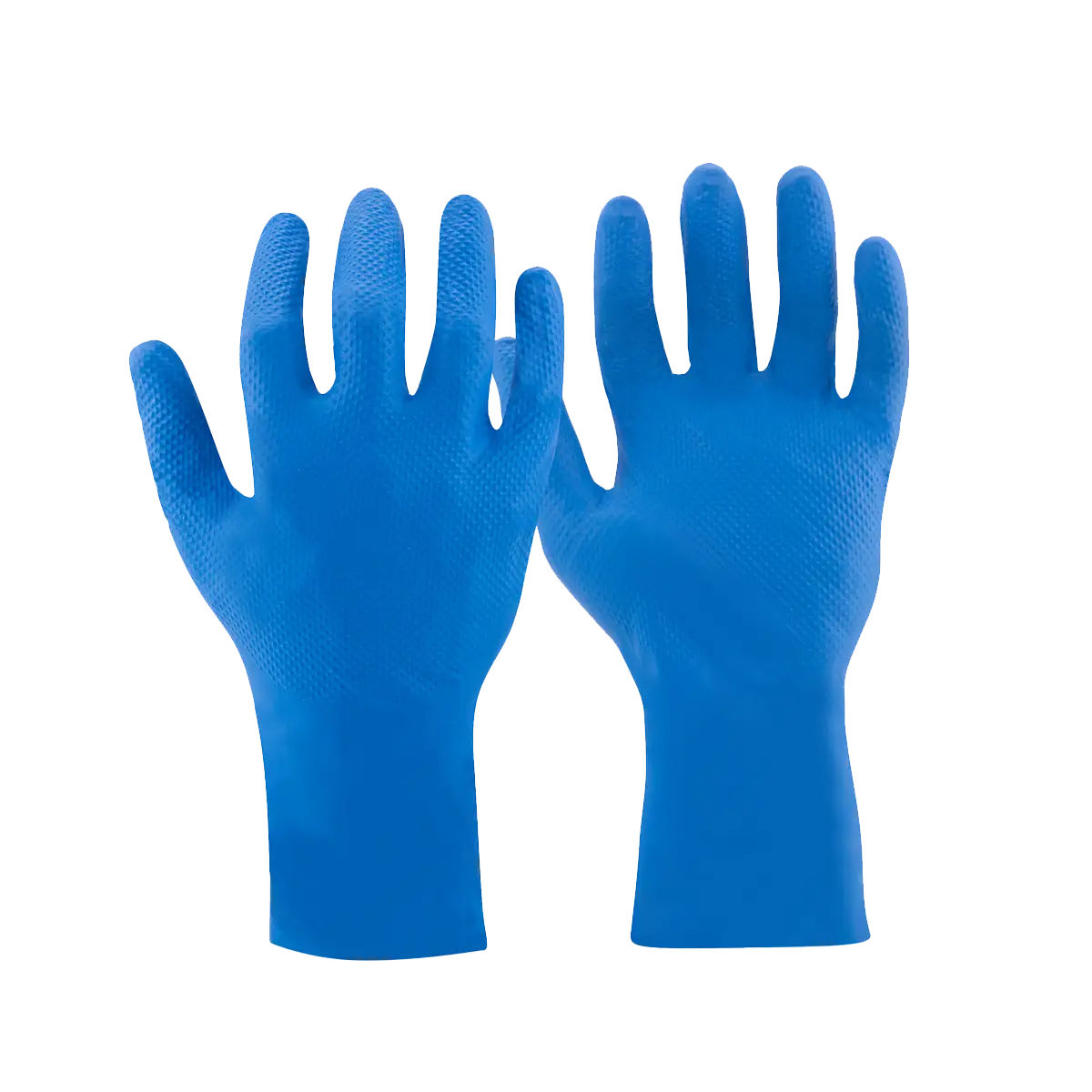
Sale price£7.84
Ideall Grip Royal Blue Long CuffPredator
Products available 3-5 working days from date of order